Top 10 Korean Skincare Brands Worth the Hype
- Aug 1, 2025
- 7 min read
TL;DR: The top 10 Korean skincare brands represent a diverse spectrum of philosophy ranging from traditional "Hanbang" herbalism to advanced clinical biotechnology. The market is led by barrier-repair experts like Aestura and Dr. Jart+, which utilize medical-grade lipids and cica for sensitive skin, alongside "skinimalist" favorites like COSRX and Anua that focus on high-concentration viral actives like snail mucin and heartleaf. While luxury heritage brands like Sulwhasoo and Beauty of Joseon modernize ancient ginseng and rice rituals for anti-aging, hydration specialists Laneige, Round Lab, Innisfree, and Belif dominate the moisture category through innovative water sciences and regionally sourced ingredients like Jeju volcanic clusters and birch juice.
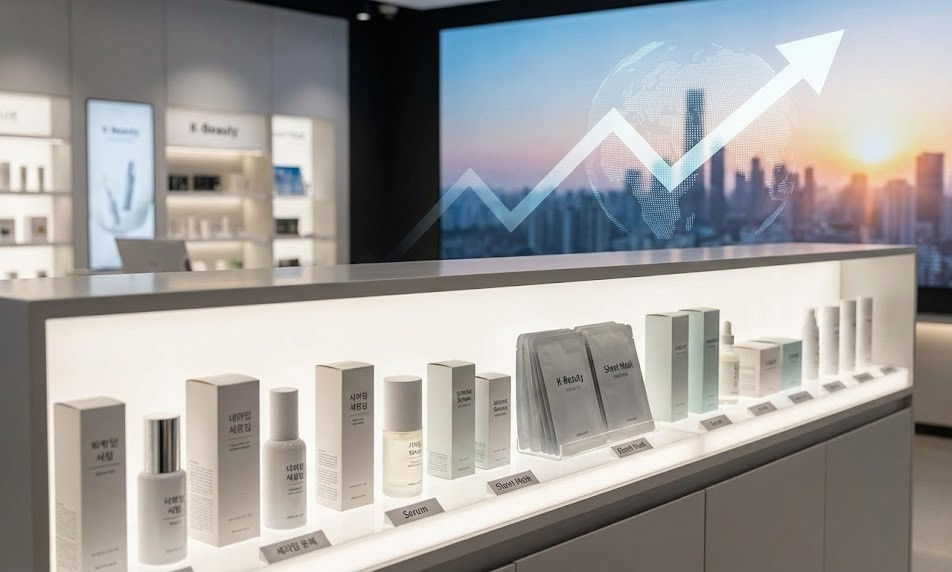
As we discussed in our previous look at the benefits of Korean skincare, the industry has evolved far beyond the initial "K-Beauty wave" of whimsical packaging and novelty trends. By 2025 and 2026, the landscape has matured into a sophisticated, science-driven sector that prioritizes long-term barrier health and biotechnological innovation. While social media trends move fast, legitimate trust is built on formulation and efficacy.
Based on market analysis, expert insights, and consumer loyalty in both South Korea and the United States, here are the top 10 brands that are truly worth the hype.
1. Aestura: The Dermatologist’s Choice
If you are looking for the "medical-grade" standard of K-Beauty, Aestura is the answer. Frequently cited as the number one dermatologist-recommended brand in Korea for sensitive skin, Aestura focuses intensely on compromised barriers.
• The Hype: Their products utilize DermaOn® technology, a patented lipid-mimicking system that combines ceramides, cholesterol, and fatty acids to physically rebuild the skin's barrier.
• Hero Product: The Atobarrier 365 Cream. It features visible "ceramide capsules" that melt into the skin upon application, providing hydration for up to 100 hours. It is widely considered a staple for locals in Korea dealing with dryness or redness.
2. COSRX: The King of Minimalist Efficacy
COSRX has successfully bridged the gap between accessible pricing and clinical-strength results. The brand creates formulas with high concentrations of actives and minimal fillers, a philosophy often called "skinimalism."
• The Hype: They normalized "snail mucin" in the West. Their Advanced Snail 96 Mucin Power Essence contains 96% snail secretion filtrate, which helps with texture, scarring, and deep hydration without clogging pores.
• Evolution: Recently, they have expanded into the "RX" line, offering high-strength clinical actives like the Vitamin C 23 Serum and Retinol 0.1 Cream, competing directly with Western clinical brands.
3. Beauty of Joseon: Hanbang for the Modern Era
This brand has experienced a meteoric rise by reinterpreting "Hanbang" (traditional Korean herbal medicine) for the modern consumer. They focus on ingredients used during the Joseon Dynasty, such as rice water, ginseng, and honey.
• The Hype: The Relief Sun: Rice + Probiotics SPF50+ became a global phenomenon. It uses 30% rice extract and grain-fermented probiotics to nourish the skin while providing high-level UV protection without the greasy finish of traditional sunscreens.
• Why it works: It exemplifies the "preventive" philosophy we previously discussed, functioning as both a moisturizer and a sunscreen.
4. Round Lab: The Clean Beauty Standard
Round Lab has ascended to the top of trust rankings in South Korea by utilizing pure, regionally sourced ingredients from across the Korean peninsula.
• The Hype: Their 1025 Dokdo line uses mineral-rich deep sea water from Ulleungdo to gently exfoliate and hydrate. Meanwhile, their Birch Juice Moisturizing Sun Cream utilizes sap from Silver Birch trees and is prized for hydrating the skin without leaving a white cast.
• Local Sentiment: Locals in Korea frequently recommend the Dokdo line for gentle cleansing and moisture that doesn't strip the skin.
5. Laneige: The Hydration Experts
Owned by Amorepacific, Laneige dedicates its research to "Water Science," optimizing moisture retention across diverse skin types. They are the pioneers of "sleep care," capitalizing on the skin's recovery cycle during rest.
• The Hype: The Lip Sleeping Mask is a cultural icon, with one unit sold every three seconds globally. It uses a "Berry Mix Complex" and moisture-locking technology to dissolve dead skin cells overnight.
• New Tech: Their Cream Skin Toner & Moisturizer uses high-pressure blending to melt a rich cream into a liquid toner, allowing for deep hydration in a lightweight format.
6. Dr. Jart+: The Bridge Between Art and Dermatology
Dr. Jart+ (Doctor Joins Art) is famous for its "problem-solving" albums that target specific skin concerns like redness and severe dryness.
• The Hype: They were instrumental in introducing Cica (Centella Asiatica) to the U.S. market. The Cicapair Tiger Grass Color Correcting Treatment went viral for its ability to instantly neutralize redness while repairing the barrier.
• Barrier Support: Their Ceramidin line utilizes a 5-Cera Complex to replenish lipids in very dry or flaky skin.
7. Sulwhasoo: The Pinnacle of Luxury
Often described as the "Hermès of K-Beauty," Sulwhasoo represents the premium tier of the market, rooted in 60 years of ginseng research.
• The Hype: They utilize the entire ginseng plant—root, stem, leaf, and berry—to harness anti-aging ginsenosides.
• Hero Product: The First Care Activating Serum is designed as "step zero" in your routine. It uses the JAUM Activator™, a blend of five botanicals (like Peony and Lotus) to boost the efficacy of all subsequent products.
8. Anua: The Viral Calming Sensation
A newer entrant compared to legacy brands, Anua has exploded in popularity thanks to social media validation and a focus on "Heartleaf" (Houttuynia Cordata).
• The Hype: The Heartleaf 77% Soothing Toner is famous for its ability to calm acne and reduce redness almost instantly.
• Why it works: The brand focuses on maintaining the skin's optimal pH balance (around 5.5) while delivering potent anti-inflammatory botanicals, making it a favorite for acne-prone skin.
9. Innisfree: Eco-Conscious Volcanic Science
Innisfree is recognized for its "Planet-Friendly Practices" and ingredients sourced from the pristine ecosystem of Jeju Island.
• The Hype: Their success is built on two pillars: Green Tea and Volcanic Clusters. The Super Volcanic Pore Clay Mask uses porous volcanic structures to absorb sebum and clear pores.
• Hydration: They use a specific variety of Jeju Green Tea that is high in amino acids to support the skin microbiome in products like the Green Tea Seed Hyaluronic Serum.
10. Belif: Apothecary Tradition Meets Innovation
Belif combines modern Korean skin science with the herbal legacy of Napiers, a Scottish apothecary founded in 1860.
• The Hype: The brand is trusted for "clean" formulations free of parabens and sulfates.
• Hero Product: The True Cream Aqua Bomb is a clinically proven gel-cream that increases skin moisture levels by up to 70% using apothecary herbs like Lady's Mantle. It is a top choice for those seeking an "explosion" of hydration without heaviness.
FAQ
Do Koreans actually use the brands that are viral in the West (like Beauty of Joseon)?
Not necessarily. There is often a significant disconnect between brands that go viral on TikTok in the West and what locals actually use in South Korea. While brands like Beauty of Joseon and COSRX are massive successes in the United States, they are sometimes less ubiquitous domestically.
• Locals Prefer: Brands typically found in dermatological clinics or local health and beauty stores like Olive Young. Aestura (specifically the Atobarrier line), Dr. G (famous for the Red Blemish line), and Round Lab (the Dokdo line) are consistently cited as local staples for their gentle, non-irritating formulas.
• The Export Phenomenon: Some brands focus heavily on export markets. For instance, while Beauty of Joseon is a top-seller in the U.S. for its "Hanbang" (herbal) appeal, in Korea, consumers often turn to legacy brands or clinical formulations for similar concerns. However, quality remains high across the board; the difference often lies in marketing focus rather than efficacy.
Which brands are best for sensitive skin and barrier repair?
Aestura and Dr. Jart+ are widely considered the gold standards for barrier health.
Korean skincare prioritizes the "skin barrier" (the stratum corneum) above almost all else.
• Aestura: Often cited as the #1 dermatologist-recommended brand in Korea for sensitive skin, Aestura utilizes DermaOn® technology in their Atobarrier 365 line. This technology features visible capsules that contain a lipid-mimicking blend of ceramides, cholesterol, and fatty acids to physically rebuild the skin barrier.
• Dr. Jart+: Famous for their Ceramidin line, which uses a "5-Cera Complex" to prevent water loss and repair dry, flaky skin. They also popularized the Cicapair line (containing Centella Asiatica) to instantly neutralize redness and soothe irritation.
Why are Korean sunscreen brands (like Beauty of Joseon and Round Lab) considered superior to US brands?
Korean brands have access to advanced UV filters that are not yet approved in the United States, resulting in superior texture and protection.
• The Filter Gap: The US FDA has not approved a new UV filter since 1999. In contrast, Korean manufacturers utilize over 27 approved filters, including modern organic options like Tinosorb S and Uvinul A Plus, which offer broader UVA protection without the chalky "white cast" or heavy grease associated with older US filters.
• Cosmetic Elegance: Brands like Beauty of Joseon (Relief Sun) and Round Lab (Birch Juice Sun Cream) have gone viral because they function like lightweight moisturizers. They melt into the skin instantly and do not pill under makeup, encouraging daily use which is critical for long-term skin health.
What is the difference between "Hanbang" brands and "Clinical" brands?
This distinction refers to the brand's core philosophy—traditional herbal medicine vs. modern laboratory science.
• Hanbang (Herbal) Brands: These brands, such as Sulwhasoo and Beauty of Joseon, reinterpret traditional Korean herbal medicine. They utilize ingredients like Ginseng (for anti-aging) and Mugwort (for soothing). Sulwhasoo, the luxury leader, has researched ginseng for 60 years to harness specific saponins for skin longevity.
• Clinical/Minimalist Brands: Brands like COSRX, Aestura, and Dr. G focus on "skinimalism" and high-performance actives. COSRX is famous for using high concentrations of single actives (like Snail Mucin or Galactomyces) with minimal fillers, appealing to those who want targeted, scientific results at an affordable price point.
Are viral "miracle" products like Anua's Heartleaf Toner or COSRX's Snail Mucin actually effective?
Yes, their popularity is backed by clinical principles and massive community validation, though they serve specific skin types.
• Anua (Heartleaf): The Heartleaf 77% Soothing Toner went viral for a reason—it uses Houttuynia Cordata extract, which has potent anti-inflammatory properties. It is highly effective for calming acne-prone, red, and irritated skin, which is why it has expanded rapidly into major US retailers like Ulta.
• COSRX (Snail Mucin): While the texture is unusual, Snail Secretion Filtrate is biologically potent. It contains glycoproteins and hyaluronic acid that clinically stimulate collagen production and aid in wound healing. It is not just hype; it is a "cult favorite" because it delivers non-comedogenic hydration that works for almost all skin types.

Comments